NEW EPISODE EVERY OTHER MONDAY

Matt and Sully are back at Ledbetter Auction Gallery with a fresh stack from a 400-piece single-owner folk art collection. The collection has just come through the door, and instead of pulling known favorites, they grab about 40 pieces at random and start looking with fresh eyes.
The episode moves through work by Calvin Cooper, Po Phil, Levent Isik, Alpha Andrews, Sam Ezell, Richard Burnside, Myrtice West, Albert Wagner, Purvis Young, Willie White, A.B. the Flag Man, and more. Some names are familiar, some pieces need more research, and a few mystery signatures remind everyone that collecting folk art still requires curiosity.
It’s a real look at what happens when a collection first arrives: the sorting, the questions, the estimates, the artist stories, and the slow process of letting the work tell you where it came from.
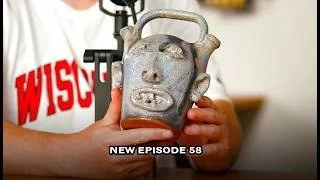
Matt and Kyle are back at the auction gallery in Gibsonville after Liberty and Fishersville, returning to the core of House of Folk Art: self-taught art, pottery, carvings, and the stories that make certain pieces worth a second look.
The episode starts with Sam Ezell and a large group of work headed for a future sale, then moves through Denzil Goodpaster, Charles Simmons, Raymond Coins, Marvin Bailey, Ellen Martin, and a few auction preview pieces from around the gallery. Along the way, Matt keeps circling the line between craft and art, and why some objects may not bring huge money but still matter deeply to the people who understand them.
It’s a good day back at Ledbetter Auction Gallery, with North Carolina folk art, pottery, merch, auction talk, and the kind of table conversation that reminds you why the show started in the first place.
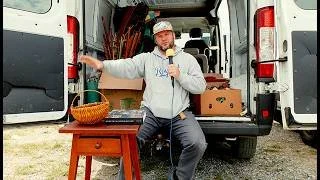
Matt checks in from Fishersville Antique Expo with the show still moving around him and a van already filling up with finds. After a packed Friday, he starts pulling out carved walking sticks, tramp art, Clyde Herman carvings, a dancing figure, a whirligig, and one cane strong enough to turn into a full appraisal session.
Along the way, Matt signs a Benny Carter book in the van and walks the show trying to give it away to someone who actually knows who Benny Carter is. The result is part haul recap, part field lesson, and part running joke as Fishersville proves to be one of the strongest shows of the year.
Everything from Fishersville heads back to the auction house alongside the Liberty buys, where the next step is unloading, photographing, and getting the pieces ready for upcoming auctions.
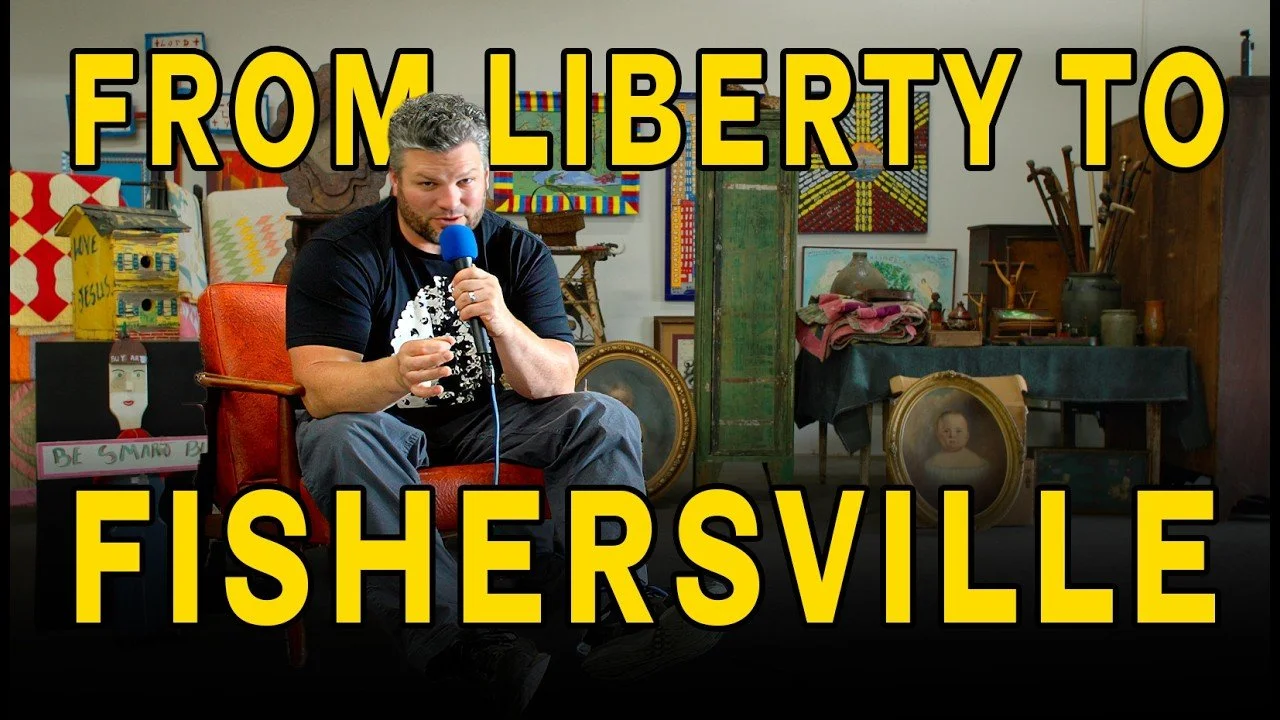
Matt returns to the auction gallery after Liberty with the buys still sitting behind him and Fishersville already on the calendar. In the space between shows, he reflects on the final Liberty weekend, what the show still proved, and why the next version may have more life left than people expected.
The episode moves from Liberty pottery, baskets, canes, quilts, and a late-day monkey jug into a preview of Fishersville and the different kind of material the Shenandoah Valley can bring. Matt talks through buying with the auction in mind, teaching the next generation how the trade works, and the constant balance between collecting, dealing, and letting the market decide.
The final stretch turns into a walkthrough of the Benny Carter exhibit, with birdhouses, city scenes, clocks, poem paintings, cutouts, and an Annie Moon doll made to look like Benny himself. Together, it becomes a look at the full cycle of folk art: the field, the gallery, the auction, the collector, and the stories that keep everything moving.
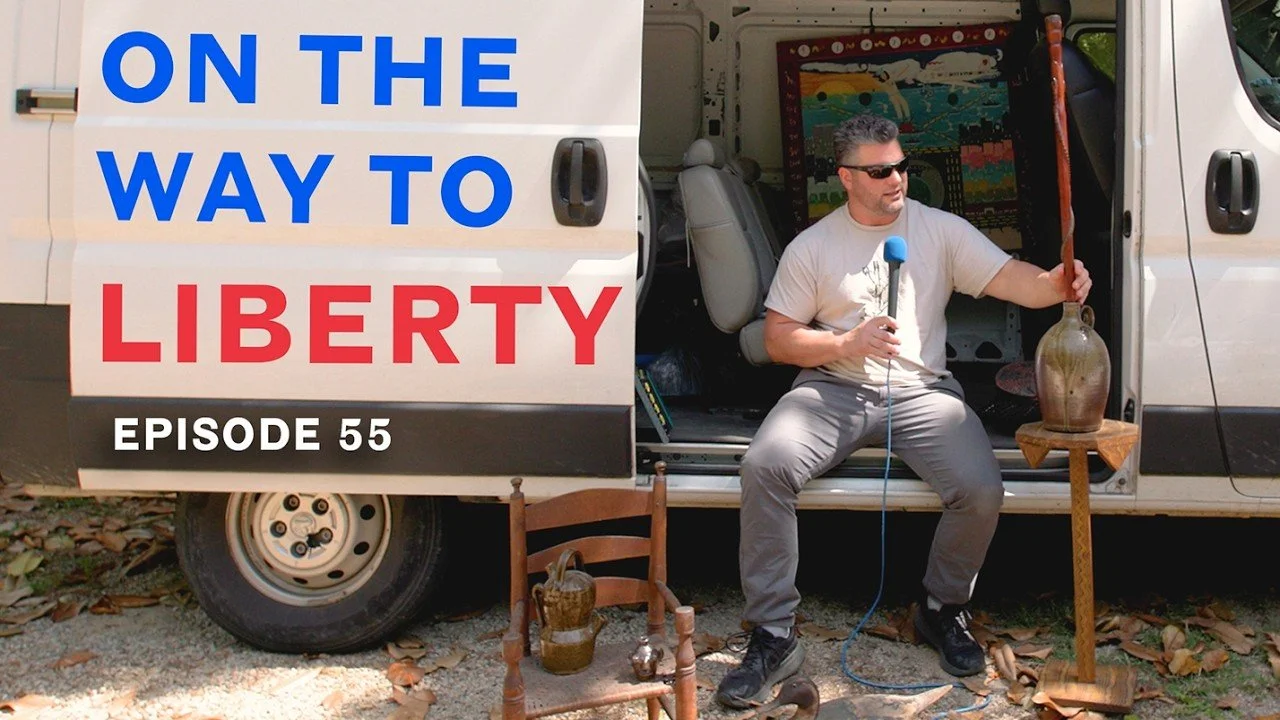
Before heading out to set up Wade’s tent for the final Liberty Antiques Festival, Matt sits down to look back on what the show has meant to him as a dealer, picker, and collector. From years of walking the fields in Randolph County to finding pieces that shaped his eye, Liberty has become more than a show. It is part of the Ledbetter family rhythm.
Matt walks through past Liberty finds including a Chester Webster school jug, a carved walking stick, a painted stand, a painted basket, Benny Carter paintings, and a Ward Brothers decoy, using each one to explain what made it worth buying and why certain objects stay in the collection.
Part memory, part strategy, and part pre-show anticipation, this episode captures the feeling of heading into one last Liberty weekend with cash, hope, and the belief that something great might still turn up.
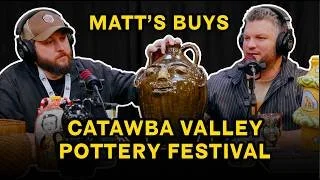
Matt Ledbetter and Kyle sit down with a table full of pieces from the Catawba Valley Pottery Festival and walk through what they picked up over the weekend. From the Friday night preview to the rush when the doors open, they break down how the show works and why collectors travel to Hickory each year.
The conversation moves through face jugs, monkey jugs, functional forms, alkaline glaze, firing methods, and what separates a stronger piece from the rest. Along the way, Matt talks about makers like Stacey Lambert, Steve Abee, and Marvin Bailey, while emphasizing the importance of supporting living potters.
This episode is a clear look at one of North Carolina’s most important pottery shows and a practical guide to understanding what makes Catawba Valley pottery worth chasing.
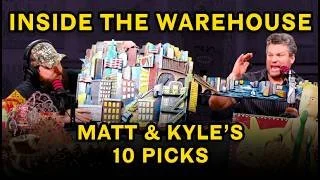
Matt Ledbetter and Kyle put the newly expanded Ledbetter warehouse to work, digging through more than 15,000 square feet of material to each choose five pieces that feel like real folk art. With no category rules, they pull from carvings, metalwork, furniture, and overlooked objects, then bring everything back to the table to talk through what caught their eye.
The conversation becomes a close look at how collectors actually see. Matt and Kyle break down the line between craft and folk art, why repetition matters, how unknown makers can reveal themselves through a body of work, and why one labeled piece can help unlock a much larger story.
From the Coke can chair to rare footage of Carl Otto Long, this episode is about instinct, context, and learning how objects start to speak when you spend enough time looking.
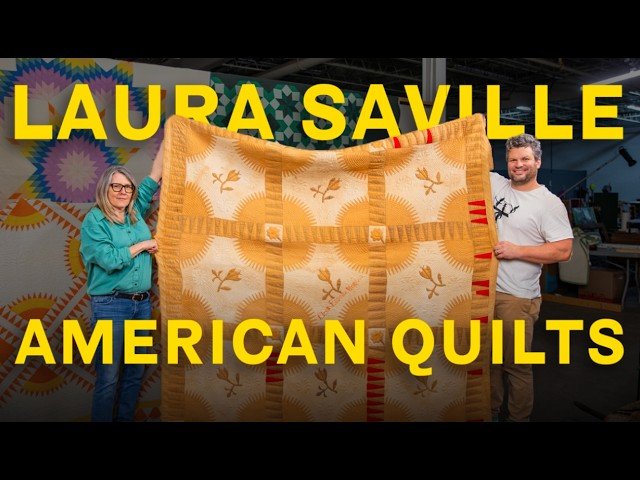
Matt Ledbetter sits down with longtime friend and antique dealer Laura Saville for a full conversation on antique American quilts, how to read them, and why more collectors are starting to see them as both historical objects and works of art.
Laura shares what she has learned from studying fabrics, stitching, patterns, clothing history, and construction, while Matt brings in the picker’s perspective on how quilts were found, stored, bought, sold, and sometimes overlooked for years.
From mothball smell and hand stitching to crazy quilts, coverlets, Gee’s Bend, Double Wedding Ring patterns, and warehouse stacks of real examples, this episode is a practical guide to understanding quilts in the field. It’s about learning what makes one quilt common, another one special, and how to trust your eye when you are standing at a show trying to decide what is worth buying.
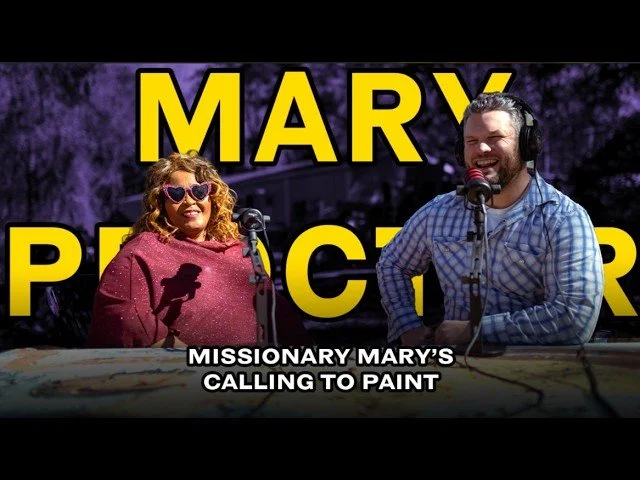
Matt Ledbetter travels to Florida to sit down with Mary Proctor, also known as Missionary Mary, for a conversation about grief, faith, and the calling behind her painted doors. Mary shares the story of losing her grandmother, uncle, and aunt in a 1994 fire, the thirty days of prayer that followed, and the vision that told her to begin painting.
From that first old door, Mary’s work became more than art. It became testimony, scripture, warning, memory, and ministry. As she walks Matt through pieces in her yard, the conversation moves between humor and belief, family history and spiritual purpose.
This episode is about how loss became direction, how paint became a language, and how Mary Proctor stepped into the mission that made her Missionary Mary.
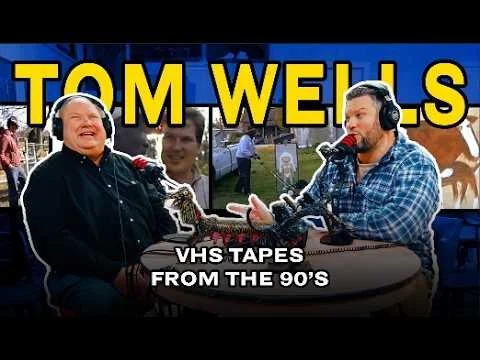
Matt Ledbetter sits down with longtime dealer Tom Wells to revisit early 1990s VHS footage of Southern folk artists before the market fully caught on. Through those tapes, Tom looks back on discovering and documenting artists like Z.B. Armstrong, J.T. McCord, Ralph Griffin, Jimmy Lee Sudduth, Leonard Jones, Willie Tarver, and Richard Roebuck.
The conversation follows how Tom first met these artists, built relationships with them, sold their work, and helped preserve a moment in folk art history without the internet, price databases, or collector forums.
More than a dealer story, this episode is about the value of showing up with a camera, earning trust, and capturing artists at work while the moment was still alive.
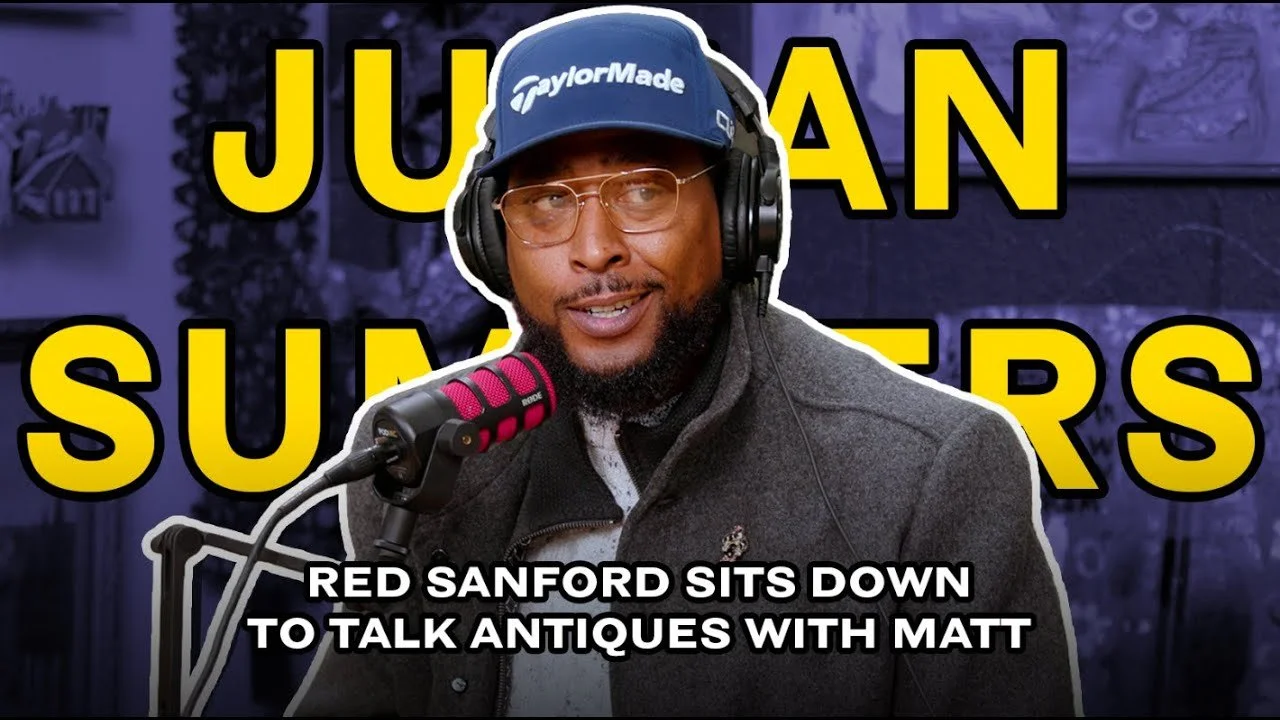
Matt Ledbetter sits down with Julian-Sherrod Summers, also known as Red Sanford, for a conversation that moves from football to folk art and the unexpected ways those worlds overlap. Their shared background in competitive sports becomes the starting point for a deeper discussion about collecting, picking, valuing art, and learning to see the stories inside old objects.
From flea market finds and major auction stories to conversations about Black self-taught artists, preservation, and access, the episode explores why folk art is never just about price. It is about visibility, memory, and making sure important work is recognized before it disappears.
This one is part personal history, part art-world reflection, and part reminder that toughness and sensitivity can live in the same person.
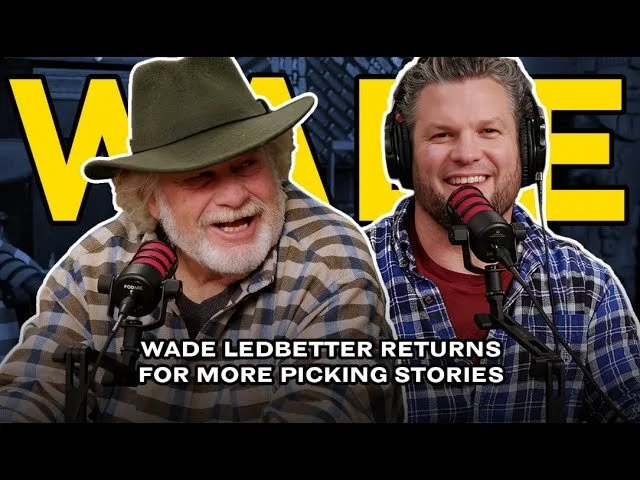
Wade Ledbetter sits down with Matt to explain what real picking looked like before the internet. Long before Marketplace listings and quick phone searches, finding good pieces meant driving back roads, knocking on doors, carrying cash, and trusting your eye before anything had a label or a price.
Through stories of called shots, basement finds, police encounters, and out-of-state picking runs, Wade breaks down the instinct and etiquette behind door knocking. The episode becomes a lesson in reading people, reading places, and creating opportunities instead of waiting for them to appear online.
It’s a look back at a style of picking built on preparation, nerve, and experience, and a reminder that some of the best finds still come from getting out of the truck and knocking on the door.
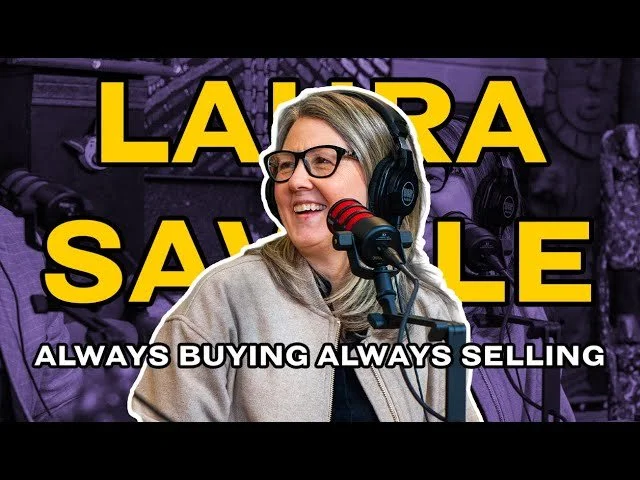
Matt sits down with longtime friend and full-time antique dealer Laura Saville for an honest look at what it really takes to make a living in antiques. From buying and selling to filling booths, working shows, managing inventory, and learning when to let pieces go, Laura breaks down the rhythm of the business from the inside.
The conversation follows Laura’s path from early family memories and retail experience to life as a dealer in North Carolina, with stops at Liberty, Fishersville, Tarheel, and The Antique Marketplace in Greensboro. Along the way, Matt and Laura talk buyer’s remorse, seller’s remorse, auction strategy, shipping realities, and why the antiques trade still has room for people who truly love the hunt.
It’s part dealer shop talk, part encouragement, and part reminder that antiques can still be a real job if you have the eye, the energy, and the willingness to keep moving.
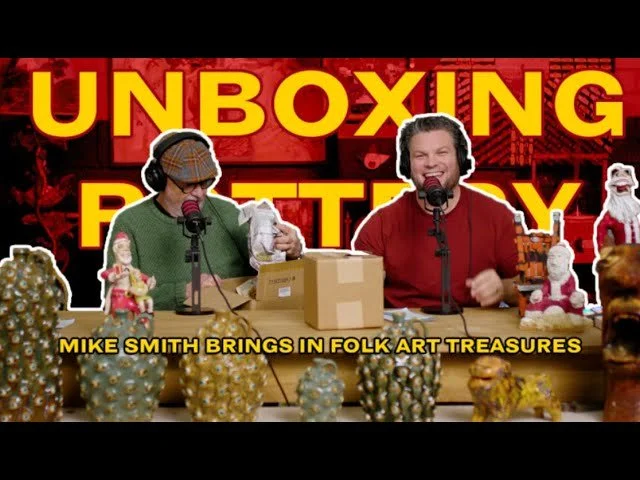
Mike Smith joins Matt in the gallery to unbox several pieces of folk art pottery headed for the next auction. As each piece comes out, the conversation turns from glaze, form, and surface wear to the larger stories behind the work and how easily important pieces can be missed when context disappears.
Matt and Mike talk through auction value, provenance, shifting markets, and the difference between collecting for yourself and choosing what belongs in a sale. The episode also moves beyond pottery as Mike shares his photographs, including work connected to Souls Grown Deep, and reflects on the artists he documented over the years.
What starts as an auction preview becomes a deeper reminder that folk art is more than objects on a table. Pottery, photographs, and books all help keep artists present long after the work leaves their hands.

Matt has been around folk art canes since he was ten years old, and in this episode he walks through some of the best walking sticks in the collection while passing the tradition down to the next generation. From snake-wrapped handles and hidden carvings to full tip-to-top masterpieces, he breaks down what separates a decent cane from a serious piece of American folk art.
The episode builds around a standout 1904 carved cane, an Antiques Roadshow-style appraisal session, and a final test to see if Kai can spot the most valuable cane in the room. Along the way, Matt explains values, regional styles, Mexican eagle-and-snake motifs, matching carver hands, and how to actually live with canes as objects in the home.
Raising canes takes on a whole new meaning here, with one of Matt’s deepest lessons yet on why a simple piece of wood can hold so much history.
Matt sits down with his dad, Wade Ledbetter, for two picker stories that feel almost too strange to be true. Wade starts with a rural Alamance County mystery involving the Krauss family, a ten-foot clock, a rumored offer from Henry Ford’s museum team, and a house fire that erased nearly everything except the story.
From there, Matt shares the Virginia house that changed his own life as a picker. At twenty five, he walked into a home filled with museum-tagged antiques, rare crystal, first edition books, and paintings he was still learning how to understand.
One story is about the find that vanished. The other is about the house that should never have been lost. Together, they show why every attic, back road, and old family story can carry the kind of secret a picker never forgets.
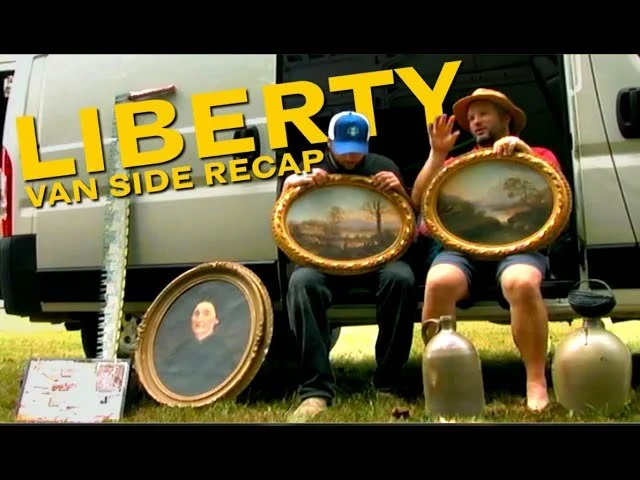
Matt and Kyle sit down after two full days at Liberty Antiques Festival to go through the haul piece by piece. From signed North Carolina pottery and 19th-century paintings to a Benny Carter painted saw, the episode captures the excitement of finding real treasures in the middle of a crowded show field.
Along the way, they talk through bulk buys, showcase surprises, pottery lessons, and the kind of small discoveries that make Liberty worth the miles. It’s a post-show recap full of picking stories, market instincts, and reminders that every object has a story if you know how to look.
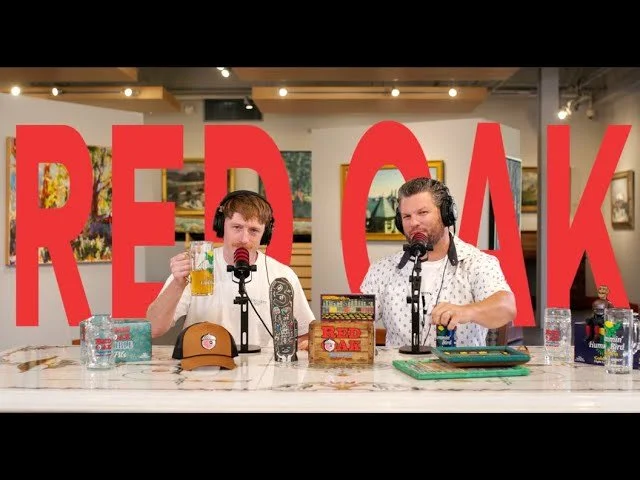
Matt and Sully sit down inside the Griffith Fine Art Museum at Red Oak Brewery for a conversation about where fine art, folk art, and collecting culture overlap. Surrounded by American Impressionist paintings, they talk through the stories behind handmade objects, auction lessons, Liberty Antiques Festival, and the strange places value can show up.
From Matt’s early picking days with his father to Sully’s walking stick rivalries and the first calls to the Folk Art Hotline, this episode moves between museum walls, auction fields, and backroad finds. It’s a reminder that whether something is hanging in a gallery or hiding in a barn, every object has a story worth chasing.
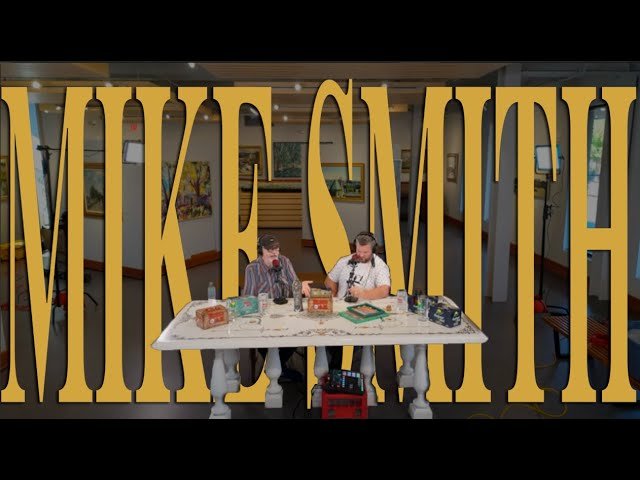
Matt sits down with Mike Smith inside the Griffith Fine Art Museum at Red Oak Brewery for a deep dive into the early days of Southern folk art. Mike shares stories from decades on the road documenting self-taught artists, from meeting Benny Carter and James Harold Jennings to photographing artists in the homes, yards, and workshops where the work was actually made.
The conversation follows Mike’s path from salesman to documentarian, with stories of Howard Finster, backroad trips with Benny Carter, the collectors who shaped the field, and the growing issue of fake folk art showing up in auctions.
By the end, this episode becomes a reminder that folk art has always been about more than the market. It is about the spark that makes someone create, and the people willing to show up, listen, and preserve the story.
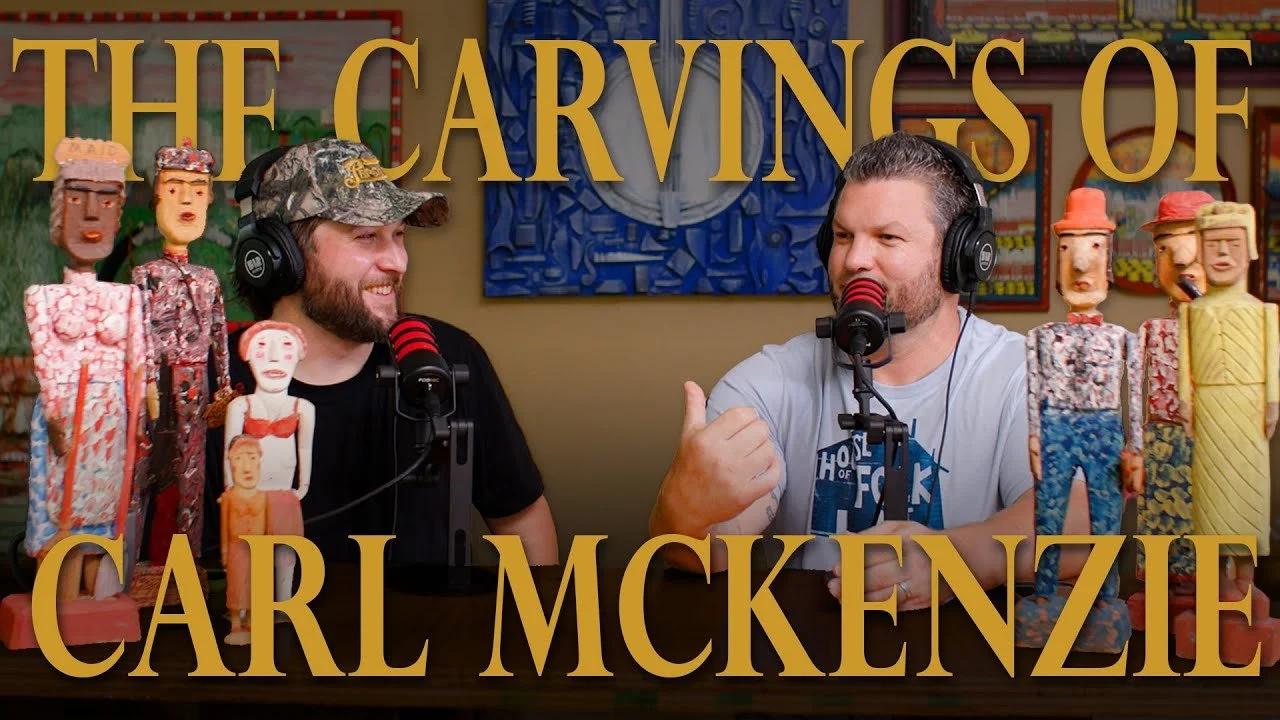
Matt and Kyle dive into the work of Kentucky folk artist Carl McKenzie, whose colorful cut-wood figures captured mountain life with simple boards, bold paint, and movable arms. They compare McKenzie’s attainable pieces to higher-end Kentucky names like Edgar Tolson while breaking down why cut wood, carved wood, artist repetition, and collector context all matter.
The episode also turns inward as Matt reveals his own short-lived run as the “Gibsonville Highway 61 Miniature Chair Maker,” showing the Willie Massey-inspired chairs he made before the creative drive disappeared. From Carl McKenzie and Larry Hackley to Benny Carter, House of Blues banjos, and the strange psychology behind making folk art, this one is about what happens when an artist catches the bite and what happens when it leaves.